
What Are Tarpaulins and Why Are They Important?
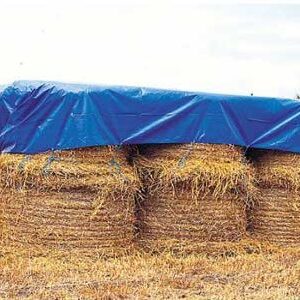
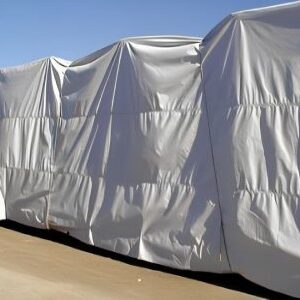
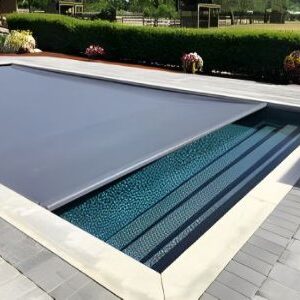
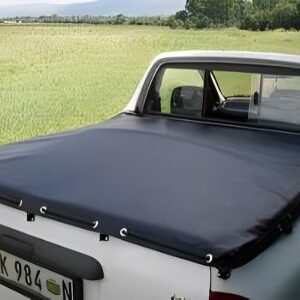
Tarpaulins are large sheets made from strong, flexible, and waterproof or water-resistant materials such as polyethylene, canvas, or PVC. They are designed to provide protection against environmental elements like rain, sunlight, wind, and dust. Due to their durability and flexibility, tarps are widely used across industries including agriculture, construction, transportation, and even for household purposes.
The importance of tarpaulins lies in their ability to prevent damage, extend the life of goods, and reduce maintenance costs. From covering farm produce to protecting vehicles and outdoor furniture, tarps are a simple yet effective solution for everyday challenges.
Types of Tarpaulins Tarps Available
When browsing tarpaulins tarps for sale, you will come across various types designed for different applications. Choosing the right type depends on your specific needs.
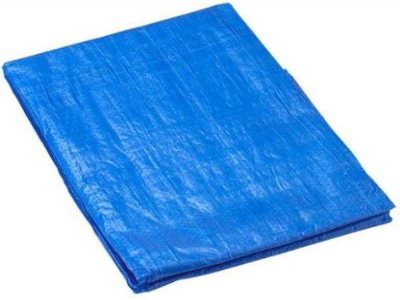
1. Polyethylene (PE) Tarpaulins: Polyethylene tarps are lightweight, waterproof, and affordable. They are ideal for temporary use such as covering construction sites, outdoor equipment, and camping setups. These tarps are resistant to mildew and tearing, making them a popular choice for general use.
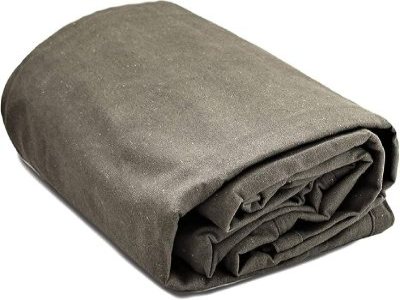
2. Canvas Tarpaulins: Canvas tarps are made from natural fibers and are known for their breathability. Unlike plastic tarps, they allow air circulation, which helps prevent moisture buildup. They are commonly used for covering machinery, agricultural produce, and outdoor storage.
3. PVC Tarpaulins: PVC tarps are heavy-duty and highly durable. They are resistant to chemicals, abrasion, and extreme weather conditions. These tarps are widely used in industrial applications, trucking, and long-term outdoor coverage.
4. Mesh Tarpaulins: Mesh tarps are designed with small holes that allow airflow while providing partial shade and protection. They are commonly used for scaffolding, fencing, and shade structures.
5. Heavy-Duty Tarpaulins: These tarps are reinforced with strong materials and are designed for tough environments. They are ideal for construction sites, transportation, and long-term outdoor use.
Key Features to Look for When Buying Tarpaulins
Choosing the right tarpaulin involves more than just picking a size. Here are some essential features to consider:
- Material Quality: Ensure the tarp is made from high-quality material that suits your purpose.
- Waterproofing: Look for fully waterproof tarps if you need protection from rain.
- UV Resistance: UV-treated tarps last longer under direct sunlight.
- Reinforced Edges: Strong edges and grommets increase durability and ease of use.
- Thickness (GSM): Higher GSM indicates a thicker and more durable tarp.
- Tear Resistance: Essential for heavy-duty applications.
Frequently Asked Questions (FAQs)
1. What is the best material for tarpaulins?
The best material depends on your usage. Polyethylene is great for general use, canvas is ideal for breathable coverage, and PVC is perfect for heavy-duty and industrial applications.
2. Are tarpaulins completely waterproof?
Most polyethylene and PVC tarps are fully waterproof, while canvas tarps are usually water-resistant but breathable.
3. How long do tarpaulins last?
The lifespan of a tarpaulin depends on its quality and usage. High-quality tarps can last several years with proper care and maintenance.
4. Can tarpaulins be used for long-term outdoor use?
Yes, heavy-duty and UV-resistant tarpaulins are designed for long-term outdoor use and can withstand harsh weather conditions.
5. How do I choose the right thickness for a tarp?
Thickness is measured in GSM. For light use, 80–120 GSM is sufficient, while heavy-duty applications require 200 GSM or more.